
If you’re a beginner trying to grow a small YouTube channel in 2026, you’re in the right place. This complete guide is your one-stop reference for a YouTube growth strategy for small channels that actually works. No fluff, no outdated hacks just simple, step-by-step advice, real examples, and actionable tips you can start using today.
Whether you have 10 subscribers or 500, this post will show you exactly how to get more views, subscribers, and engagement without burning out or needing fancy equipment. By the end, you’ll feel confident to grow your small YouTube channel with proven strategies and tools that fit your budget and schedule.
What Is YouTube Growth for Small Channels and How It Works
YouTube growth for small channels means using the platform’s algorithm to get your videos in front of the right people even when you’re starting from zero or near-zero subscribers.
In 2026, YouTube doesn’t have one single algorithm. It has different systems for the Home feed, Search, Suggested videos, and Shorts. All of them focus on one thing: viewer satisfaction. The algorithm asks: “Did this person enjoy the video enough to watch more, like it, comment, or subscribe?”
The key signals it measures are:
- Click-Through Rate (CTR): How many people click your thumbnail and title out of those who see it (aim for 6%+).
- Average View Duration (AVD): How much of your video people actually watch (50%+ at the midpoint is excellent).
- Watch time: Total minutes watched across your channel.
- Engagement: Likes, comments, shares, and saves.
For small channels, the first 48 hours after upload are critical. YouTube tests your video with a small group. If it performs well (high CTR + strong retention), it pushes it to more people. Shorts help with quick discovery, while long-form videos build loyal subscribers and evergreen views.
Real example: A new cooking channel posted a Short of “5-minute egg hack.” It got 10K views in a week. They turned that into a 12-minute long-form video (“Full Beginner Breakfast Guide”) and gained 300 subscribers. The Short drove discovery; the long video built the library.

Important Fundamentals Beginners Must Understand
Before you upload anything, master these basics. They separate channels that grow from those that stay stuck.
- Choose and Niche Down: Pick one specific audience and topic. “Gaming” is too broad try “Beginner Roblox Tips for Kids Ages 8-12.”
- Understand Your Audience: Ask: What problems do they have? When do they watch? What format do they love? (Use YouTube comments and Search suggestions.)
- YouTube SEO Matters More Than Fancy Editing: Titles, descriptions, tags, and thumbnails tell the algorithm who your video is for.
- Consistency Beats Perfection: One good video per week + daily Shorts beats random uploads.
- Shorts + Long-Form Work Together: Shorts get you discovered fast. Long-form turns viewers into subscribers.
- Retention Is King: Hook viewers in the first 5-10 seconds and keep them watching with clear structure.
Quick Framework: Use the “3 Content Pillars” approach.
- Pillar 1: Educational (how-to, tutorials)
- Pillar 2: Entertaining (stories, challenges)
- Pillar 3: Community (Q&A, behind-the-scenes)
Mix these every week for balanced growth.
Step-by-Step Guide to Get Started with YouTube Growth for Small Channels
Follow this exact plan. It works for any niche in 2026.
Step 1: Set Up Your Channel for Success (1-2 hours)
- Create a clear channel name and handle.
- Write a simple “About” section: Who you help + what you upload.
- Add a professional banner and profile picture (use Canva free).
- Enable custom thumbnails and end screens.
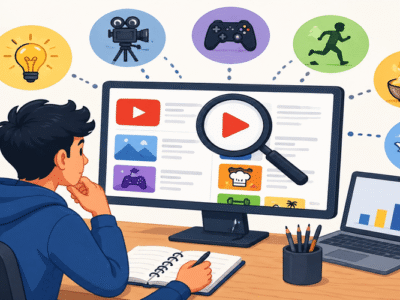
Step 2: Research Topics and Keywords (30 minutes per video)
- Go to YouTube search bar and type your niche + “how to” or “beginner.”
- Note what auto-suggests (these are real searches).
- Use free tools (we’ll cover them later) to check search volume and competition.
Example: Niche = “Budget travel in India.” Good keyword: “cheap solo trip to Assam 2026” (low competition, specific).
Step 3: Create Your First 10 Videos (Batch Them!)
- Film 3-5 videos in one day.
- Keep videos 8-15 minutes long.
- Script: Hook (0-10 sec) → Promise → Value → CTA (subscribe + next video).
- Record in a quiet room—good audio is more important than 4K video.
Step 4: Optimize Every Video for SEO
- Title: Include main keyword + benefit/curiosity (e.g., “How I Grew My Small YouTube Channel to 1K Subs in 3 Months – Beginner Tips 2026”).
- Thumbnail: Bright colors, big text, your face showing emotion.
- Description: First 2 lines with keyword, timestamps, links, CTA.
- Tags: 10-15 relevant ones.
- Add cards, end screen, and chapters.
Step 5: Upload, Promote, and Engage
- Upload on your best day/time (check YouTube Analytics after 5 videos).
- Share in relevant Reddit/Facebook groups, WhatsApp, or Instagram Stories.
- Reply to every comment in the first 48 hours.
Step 6: Analyze and Improve Weekly
- Check YouTube Studio every Sunday.
- Double down on what works (high retention topics).
- Fix what doesn’t (low CTR = better thumbnail).
Best Practices and Strategies to Grow Your Small YouTube Channel
Here are proven 2026 strategies that small channels are using right now:
- Niche Bending: Take popular formats (tier lists, “explained in 5 minutes”) and apply them to your niche. Example: A study channel does “I Tried 7 Productivity Apps So You Don’t Have To.”
- Build a Bingeable Library: Create series so viewers watch 3+ videos in a row.
- Post Shorts Daily (or 3-4x/week): Keep them 15-60 seconds, vertical, trending audio.
- Strong Hooks & Thumbnails: First 3 seconds must answer “Why watch this?”
- Collaborations: Reach out to similar small channels (under 10K subs) for shoutouts.
- Community Tab: Post polls and updates daily to keep subscribers active.
- Evergreen Content: Focus on “how-to” and tutorials that keep getting views months later.
Actionable Tip: Aim for 1 long-form video + 4 Shorts per week for the first 3 months.
Common Mistakes Beginners Make (and How to Avoid Them)
Small channels often fail because of these easy-to-fix errors:
- Inconsistent Uploads → Fix: Use a content calendar and batch film.
- Poor Audio Quality → Fix: Use a ₹500 lavalier mic or even your phone’s voice memos app in a quiet room.
- Chasing Views Instead of Retention → Fix: Focus on keeping people watching, not just getting clicks.
- Waiting for “Perfect” Equipment → Fix: Start with your phone. Improve as you grow.
- Ignoring the First 48 Hours → Fix: Promote actively right after upload.
- Copying Big Channels Exactly → Fix: Study them but adapt to your small-channel style (authentic and relatable wins).
- No SEO → Fix: Always research keywords before filming.
Practical Examples and Real Use Cases
- Case 1 (Niche Expansion): A small gaming channel (50 subs) added “food challenge while gaming” videos. Views jumped 5x in one month.
- Case 2 (Search-First Strategy): A beginner fitness creator made “10-minute home workout for busy moms in Assam.” It ranked in search and brought 200 steady monthly views + 50 subs.
- Case 3 (Shorts to Long-Form): A tech reviewer posted a Short testing a cheap earphone. Turned it into a full comparison video. The Short got 50K views; the long video added 400 loyal subscribers.
Tips to Improve Results with YouTube Growth for Small Channels
- Track your best posting time in Analytics.
- End every video with a clear CTA: “If this helped, subscribe and comment your biggest struggle!”
- Repurpose: Turn one long video into 5 Shorts.
- Stay authentic viewers love real people in 2026.
- Celebrate small wins: First 100 subs, first monetization-eligible video.
Beginner Checklist (Copy this!):
- Channel fully set up
- 10 videos planned with keywords
- Thumbnails and titles ready
- Posted first video + promoted
- Replied to all comments
- Reviewed analytics after 7 days

Essential Tools and Resources for Growing a Small YouTube Channel
You don’t need expensive software. Start with these free or low-cost tools:
- VidIQ (Free basic plan) What it does: Keyword research, competitor analysis, tags suggestions, and channel audit. When to use: Before every video to find low-competition topics. Great for beginners to understand what’s working.
- TubeBuddy (Free browser extension) What it does: Bulk tag editor, thumbnail A/B testing, SEO score, and upload checklist. When to use: During optimization and to save time on repetitive tasks.
- Canva (Free) What it does: Professional thumbnails, channel art, and simple graphics. When to use: Every video templates sized perfectly for YouTube.
- CapCut (Free mobile/desktop app) What it does: Easy video editing, auto-captions, effects, and trending audio for Shorts. When to use: For quick editing without learning complex software.
- YouTube Studio (Built-in, free) What it does: Full analytics, comment management, and performance data. When to use: Weekly reviews to decide what to make next.
Pro Tip: Start with the free versions of VidIQ and TubeBuddy. Upgrade only when you hit 1,000 subscribers and need advanced features.
Key Takeaways: Your Complete 2026 YouTube Growth Strategy for Small Channels
You now have everything you need to grow a small YouTube channel successfully. Remember:
- Focus on viewer satisfaction (CTR + retention).
- Be consistent and authentic.
- Use SEO and Shorts for fast discovery.
- Analyze weekly and improve.
Start today with just one video. In 90 days, you’ll see real progress if you follow this guide.
Final Action Step: Open YouTube right now, research one keyword in your niche, and film your first (or next) video this week.
FAQs
1. How can small YouTube channels grow fast?
By posting consistently, choosing a clear niche, and optimizing titles, thumbnails, and keywords.
2. How important are thumbnails for growth?
Very important. Eye-catching thumbnails increase click-through rate and views.
3. How often should I upload videos?
At least 2–3 times a week to stay consistent and build audience trust.
4. Do keywords really matter on YouTube?
Yes, proper keywords help your videos rank higher in search results.
5. Can Shorts help small channels grow?
Yes, YouTube Shorts can bring quick views and new subscribers.
6. What is the best niche for small channels?
Choose a niche you enjoy, like education, tech, fitness, or entertainment.