
Getting your first 1,000 YouTube subscribers is one of the biggest milestones for any new creator. It unlocks the YouTube Partner Program (along with 4,000 watch hours in the last 12 months), opens doors to monetization, and proves your content resonates with real people.
In 2026, the good news is that YouTube’s algorithm gives new channels a fair shot. It tests videos with small audiences first and pushes them wider if viewers watch, like, comment, and subscribe. You don’t need fancy equipment or a huge following just consistency, smart strategy, and viewer-focused content.
Why Your First 1,000 Subscribers Matter
- Monetization threshold: 1,000 subs + 4,000 watch hours (or equivalent Shorts views) for the Partner Program.
- Algorithm boost: More subs signal trust, helping future videos get recommended.
- Momentum: Early subscribers become loyal fans who comment, share, and help growth snowball.
- Realistic timeline: Many creators reach this in 3–12 months with 20–50 quality videos, depending on niche and consistency.
Key Fundamentals Beginners Must Understand
Before uploading, master these basics:
- Niche Selection — Pick a specific topic you can talk about for years. Broad niches (e.g., “gaming”) are hard; narrow ones (e.g., “budget gaming setups for students”) perform better. Choose something you’re passionate about with search demand.
- YouTube Algorithm in 2026 — It prioritizes viewer satisfaction: Click-Through Rate (CTR), watch time, audience retention, likes, comments, and shares. New videos get tested on small audiences. Strong early performance = wider reach. Shorts help discovery, but long-form often builds loyal subs.
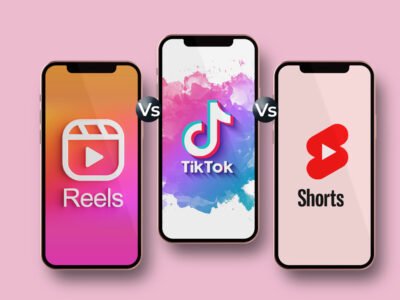
- Content Types — Mix long-form (8–15 minutes) for depth and retention with Shorts for quick growth and funneling viewers to main videos.
- Consistency Over Perfection — Post regularly (1–3 times/week) rather than chasing viral hits.
Step-by-Step Guide to Your First 1,000 YouTube Subscribers
Follow this actionable plan:
Step 1: Set Up Your Channel for Success
- Create or optimize your Google account and YouTube channel.
- Channel name: Clear, memorable, and keyword-friendly (e.g., “BudgetTechTips”).
- Profile picture: Professional logo or clear headshot.
- Banner: Eye-catching with your niche and tagline.
- About section: Write who you are, what you offer, and include keywords + links.
- Verify your channel for custom thumbnails and longer videos.
Action: Spend one day perfecting your channel art and “About” page.
Step 2: Choose Your Niche and First Video Topics
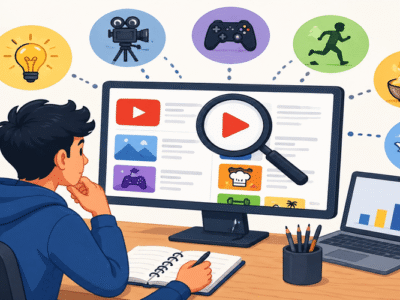
- Research with YouTube search autocomplete and tools (more below).
- Focus on searchable, evergreen topics (problems people Google or search on YouTube).
- Example: Instead of “Cooking,” do “5-Minute Healthy Meals for Busy Students.”
Pro Tip: Make a list of 20–30 video ideas based on what your target audience searches.
Step 3: Create High-Quality Content
- Scripting: Plan a hook in the first 3–5 seconds (e.g., “Struggling to get views? Here’s what actually works in 2026”).
- Filming: Good lighting, clear audio (most important!), and engaging energy. Use your phone if needed.
- Editing: Keep it fast-paced. Cut fluff. Add B-roll, text overlays, and chapters.
- Length: Aim for 8–12 minutes for long-form to maximize watch time.
Example Video Structure:
- Hook (0–15s)
- Intro & promise
- Main value (step-by-step)
- Call-to-Action (subscribe, comment, watch next)
- End screen
Step 4: Optimize for Discovery (YouTube SEO)
- Title: Keyword-rich, benefit-driven, under 60–70 characters. Example: “How to Get Your First 1,000 YouTube Subscribers in 2026 (Beginner Guide)”.
- Thumbnail: Bright, high-contrast, face with emotion, big text. Test what stands out.
- Description: First 100–150 characters matter most. Include keywords, timestamps, links, and CTAs.
- Tags: Mix broad and specific (10–15 tags).
- End screens & cards: Direct to subscribe, playlist, or another video.
Step 5: Upload Consistently and Promote
- Post on a schedule (e.g., every Tuesday and Friday).
- Share on social media, Reddit (relevant subs), forums, and your email list.
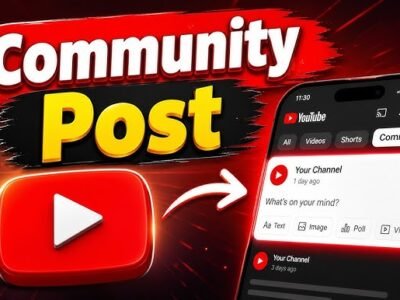
- Use Community posts and Shorts to stay top-of-mind.
- Engage with every comment in the first 24–48 hours.
Step 6: Analyze and Improve
- Check YouTube Analytics: Watch time, CTR, audience retention.
- Double down on what works. Improve or repurpose underperformers.
Milestone Checklist for First 1,000 Subs:
- 10 optimized videos uploaded
- Consistent posting schedule
- Thumbnails & titles tested
- Engaging with audience
- At least 1–2 videos with strong retention (>50%)
Best Practices and Strategies That Work in 2026
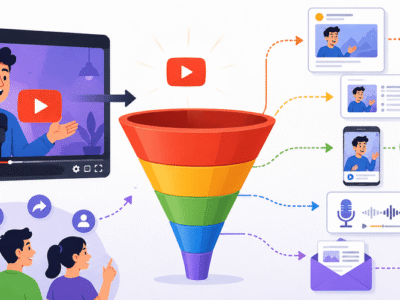
- Hybrid Approach: Use Shorts for discovery and long-form for subs. Link them.
- Playlists: Group related videos to increase session watch time.
- Collaborations: Reach out to similar-sized creators for shoutouts or collabs.
- Evergreen Content: Videos that stay relevant over time outperform trends.
- Community Building: Reply to comments, run polls, ask questions in videos.
Real Example: A beginner in the “productivity” niche posted weekly “tools for students” videos, optimized titles/thumbnails, and used Shorts showing quick tips. They hit 1,000 subs in ~4 months by solving specific pain points.
Top Tools and Resources for Beginners
Use these to work smarter:
- vidIQ — Keyword research, competitor analysis, SEO scores, and growth tracking. Great for finding searchable topics and optimizing videos. Start with the free plan.
- TubeBuddy — Browser extension for bulk editing, tag suggestions, thumbnail A/B testing, and channel audits. Excellent for SEO and workflow.
- Canva — Free tool for professional thumbnails, channel art, and graphics. Use templates for quick, eye-catching designs.
- CapCut or DaVinci Resolve — Free editing software with AI features, effects, and easy exports. Perfect for beginners.
- Google Trends + YouTube Search Suggest — Free ways to validate video ideas and see what people are searching.
How to Use Them: Start with vidIQ or TubeBuddy for research before filming. Design thumbnails in Canva. Edit in CapCut. Review analytics weekly.
Common Mistakes Beginners Make (and How to Avoid Them)
- Inconsistent uploading → Set a realistic schedule and stick to it.
- Poor audio/video quality → Prioritize clear sound over fancy visuals.
- Clickbait without delivery → Promise what you deliver to build trust.
- No niche focus → Stay in one lane for the first 20–30 videos.
- Ignoring analytics → Review performance and iterate.
- Expecting overnight success → Focus on learning and improving with each video.
- Sub4Sub or buying subs → Harms your channel long-term.
Extra Tips to Improve Results
- Hook viewers immediately and maintain retention with on-screen text and pacing.
- Create “series” videos to encourage binge-watching.
- Repurpose content: Turn long videos into Shorts or blog posts.
- Track progress monthly and celebrate small wins (first 100 subs!).
- Stay authentic your personality attracts loyal subscribers.
Key Takeaways:
- Pick a focused niche and solve real problems.
- Optimize every video for search and viewer experience.
- Be consistent and engage with your audience.
- Use free/affordable tools to speed up growth.
- Learn from analytics and keep improving.
Your first 1,000 YouTube subscribers won’t happen overnight, but with this step-by-step system, steady effort, and viewer-first mindset, you’ll get there faster than you think. Start with your channel setup and first video today.
FAQs
Q1: How long does it take to get 1,000 YouTube subscribers?
It typically takes 3–8 months for consistent beginners who post 1–3 quality videos per week and optimize properly. Some reach it faster with viral Shorts or a strong niche.
Q2: Do I need expensive equipment to start?
No. A smartphone with good lighting and clear audio is enough to begin. Focus on valuable content first upgrade gear later.
Q3: What is more important: YouTube Shorts or long-form videos?
Both! Use Shorts for fast discovery and long-form videos to build loyal subscribers and watch time.
Q4: Should I use Sub4Sub services?
No. Buying or exchanging subs hurts your channel’s algorithm and retention. Focus on organic growth.
Q5: What’s the best niche for fast growth in 2026?
Niches with high search demand and low competition like “budget tech,” “student productivity,” “faceless digital marketing,” or specific hobbies work well.
Q6: When can I start monetizing?
Once you hit 1,000 subscribers + 4,000 watch hours (or equivalent Shorts views), you can apply for the YouTube Partner Program.