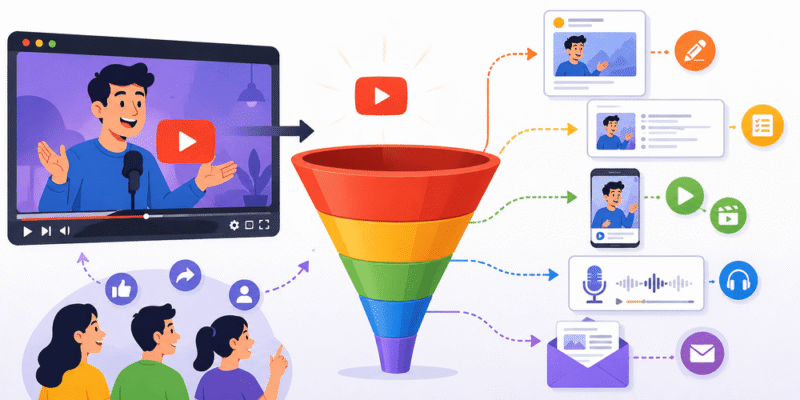

In 2026, creating one high-quality YouTube video is just the beginning. Smart creators turn that single video into an entire content funnel a system that attracts new audiences, builds trust, captures leads, and drives sales or growth without filming everything from scratch.
What Is a Content Funnel (and Why Start with One YouTube Video)?
A content funnel guides people from first awareness of your brand or topic (top of the funnel, or TOFU) to considering your ideas/products (middle of the funnel, or MOFU) and finally taking action like subscribing, buying, or contacting you (bottom of the funnel, or BOFU).
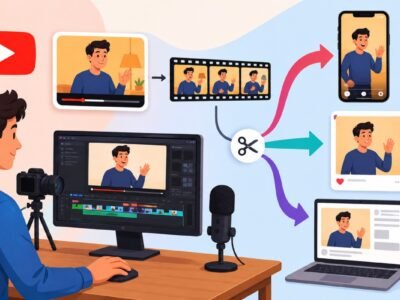
Why one YouTube video? Long-form YouTube videos are rich with ideas, stories, examples, and expertise. One 15–30 minute video can easily become 10–20+ assets across platforms. This multiplies your reach, saves time, and creates a connected ecosystem where each piece supports the others.
Real example: A video teaching “How to Start a Side Hustle” becomes:
- Short clips for TikTok/Instagram (awareness)
- A detailed blog post (consideration)
- An email sequence with a free checklist (conversion)
Important Fundamentals Beginners Must Understand
Before diving in, grasp these basics:
- Evergreen vs. Timely Content — Choose videos with lasting value (e.g., tutorials, strategies) for better long-term repurposing.
- Platform Differences — TikTok loves quick, fun hooks. LinkedIn wants professional insights. Instagram favors visuals. Adapt, don’t copy-paste.
- The 80/20 Rule — 20% of your video’s moments (strong hooks, key tips, stories) will drive 80% of results.
- SEO & Discovery — Repurposed content should include keywords, calls-to-action (CTAs), and links back to the original video.
- Consistency Over Perfection — Start simple. Improve as you go.
Key Takeaway: Repurposing isn’t lazy it’s smart leverage. Your video’s hard work (research, filming, editing) pays off many times over.
Step-by-Step Guide to Get Started
Follow this process for every video.
Step 1: Prepare Your Source Video
- Upload and publish your YouTube video.
- Enable auto-captions/transcript (YouTube > three dots > Show transcript). Copy the full transcript.
- Note key timestamps: strong hook (first 30–60s), main lessons, stories, and conclusion/CTA.
Step 2: Extract and Organize Content
- Identify 3–5 “gold nuggets”: surprising stats, actionable tips, personal stories, questions.
- Use AI tools (more below) or manually highlight the transcript.
Step 3: Create Assets for Each Funnel Stage
Top of Funnel (Awareness):
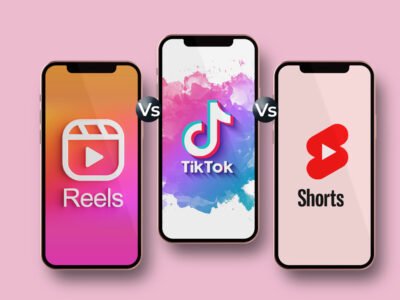
- 3–5 short vertical clips (30–90 seconds) for TikTok, Instagram Reels, YouTube Shorts.
- Hook-first: Start with the strongest moment or a question.
Middle of Funnel (Consideration):
- Blog post summarizing the video with timestamps and extra details.
- LinkedIn carousel or text post with key takeaways.
- Twitter/X thread.
Bottom of Funnel (Conversion):
- Email newsletter with video summary + lead magnet (e.g., checklist, template).
- Pinterest pins or Instagram carousels linking to a landing page.
Step 4: Optimize and Distribute
- Add platform-specific hooks, captions, and CTAs.
- Schedule posts over 1–2 weeks (e.g., clips first, then deeper content).
- Track links (use UTM parameters or bit.ly) to see what drives traffic.
Step 5: Analyze and Iterate
- Check YouTube Analytics, social insights, and email opens.
- Repurpose top-performing clips further.
Actionable Checklist for Your First Video:
- Get full transcript
- Identify 5+ reusable moments
- Create 3 short clips
- Write 1 blog post
- Draft 1 newsletter/email
- Add CTAs linking back to video/offer
- Post and track for 7 days
Best Practices and Strategies
- Always Re-Hook: Short clips need a new, stronger opening than the original video.
- Add Value in Every Format: Don’t just cut enhance with captions, text overlays, or extra tips.
- Build a Repurposing Map: One video → 2–3 Shorts/Reels, 1–2 carousels, 1 blog, 1 thread, 1 email.
- Cross-Promote: End every piece with “Watch the full video here [link]” or “Download the free guide.”
- Batch Process: Repurpose 1–2 videos per session for efficiency.
- SEO Focus: Use keywords in titles, descriptions, and blog posts for long-term traffic.
Framework: The Content Multiplier System
- Source (YouTube video)
- Atomize (clips, quotes, sections)
- Adapt (platform-native)
- Distribute (scheduled)
- Nurture (emails, follow-ups)
Practical Examples and Real Use Cases
Example 1: Fitness Creator Video: “5 Mistakes Beginners Make with Home Workouts.”
- Shorts: Quick demos of each mistake.
- Blog: Full guide with images and fixes.
- Email: Free 7-day workout checklist. Result: Increased email signups and full video views.
Example 2: Business Coach Video: “How I Built a $10K/Month Side Hustle.”
- LinkedIn: Story-based post.
- X Thread: Step-by-step tips.
- Instagram Carousel: Key lessons with quotes. Result: Leads for coaching program.
Use these as templates and swap in your niche.
Common Mistakes Beginners Make (and How to Avoid Them)
- Copy-Pasting Identically — Content feels out of place. Fix: Customize hooks, length, and tone per platform.
- Poor Clips Without Context — Random cuts confuse viewers. Fix: Make each clip standalone with its own intro/outro.
- No Captions — Many watch silently. Fix: Auto-generate styled captions.
- Ignoring SEO — Missing long-term traffic. Fix: Always create a blog version.
- No Clear CTA — People don’t know next steps. Fix: Add specific calls like “Comment ‘GUIDE’ below” or link to a lead magnet.
- Starting with Low-Value Content — Repurposing weak videos yields weak results. Fix: Begin with your best-performing or evergreen videos.
Tips to Improve Results
- Test 2–3 variations of hooks for shorts.
- Repurpose top clips into ads or Pinterest for extra reach.
- Engage with comments on all platforms to boost algorithms.
- Update older videos’ repurposed content seasonally.
- Aim for consistency: One video per week → full funnel content daily.
Top Tools and Resources for 2026
Here are beginner-friendly tools to make repurposing easier:
- Opus Clip — AI finds viral moments in your video, creates vertical shorts with captions. Great for quick TikTok/Reels/Shorts. Use when you need video clips fast.
- Descript — Edit video by editing text (transcript-based). Ideal for cleaning audio, overdubs, and simple cuts. Beginners love the word-processor feel.
- quso.ai — Combines clipping with blog posts, social copy, and scheduling across platforms. Use for end-to-end repurposing.
- Canva — Free/pro tool for carousels, thumbnails, Pinterest pins, and simple video edits. Perfect for visuals and beginners.
- Tugan.ai or similar AI writers (e.g., RepurposeTube) — Paste YouTube URL to generate blog posts, threads, newsletters. Excellent for text assets.
Bonus Free Resources: YouTube’s built-in transcript, Google Docs for outlining, and free tiers of most AI tools to start.
Start with 1–2 tools (e.g., Opus Clip + Canva) and scale up.
Final Key Takeaways
- One strong YouTube video holds massive potential treat it as the start of your funnel, not the end.
- Focus on value, adaptation, and CTAs in every piece.
- Consistency + smart tools = exponential growth with minimal extra effort.
- Track results and refine what works in one niche may vary.
You now have a complete playbook. Pick your best recent (or upcoming) YouTube video, follow the steps, and watch your content work harder for you. Start small today repurpose just one section and build the habit.
Frequently Asked Questions
Q1: How much content can one YouTube video actually become?
One well-made 15–30 minute video can easily turn into 10–20+ assets, including 3–5 short clips, 1 blog post, social media posts, carousels, an email newsletter, and more.
Q2: Do I need expensive tools to start?
No. You can begin with free tools like YouTube’s transcript, Canva (free tier), and free versions of AI clippers like Opus Clip. Upgrade only when you scale.
Q3: How long does it take to repurpose one video?
Beginners usually take 2–4 hours for the first time. With practice and tools, you can finish a full funnel in under 90 minutes.
Q4: Should I repurpose every YouTube video?
Focus on your best-performing or evergreen videos first. Not every video needs full repurposing prioritize high-value ones.
Q5: Will Google or YouTube penalize me for repurposed content?
No, as long as you add unique value, customize for each platform, and don’t just duplicate the same video everywhere. Original commentary and adaptation are key.
Q6: What’s the best order to publish repurposed content?
Day 1: Publish the main YouTube video + 2–3 Shorts/Reels. Day 2–3: LinkedIn, Instagram, X/Twitter posts. Day 4–7: Blog post + newsletter.
Q7: How do I track if the funnel is working?
Use UTM links, YouTube Analytics (traffic sources), Google Analytics for blog traffic, and email open/click rates. Look for increased views on the original video from other platforms.
Q8: Can this strategy work for faceless or niche channels?
Yes! It works extremely well for tutorials, educational, business, and faceless channels because the focus is on valuable information rather than personality.