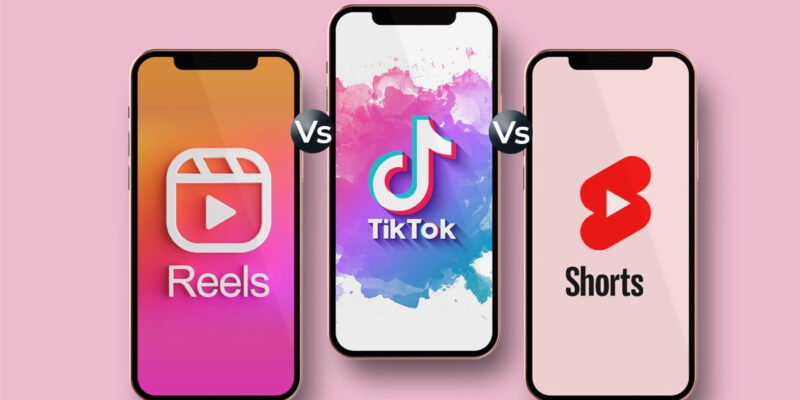

In 2026, YouTube vs TikTok vs Instagram Reels is one of the most important decisions new creators face. Short-form video dominates social media, and these three powerhouse platforms YouTube (especially Shorts), TikTok, and Instagram Reels offer massive opportunities. However, new creators often feel overwhelmed trying to be everywhere at once.
What Are YouTube, TikTok, and Instagram Reels?
- TikTok: A fast-paced app built around the “For You” page (FYP). Its algorithm pushes videos to new users based on watch time, likes, shares, and completion rate. Videos can be 15 seconds to 10 minutes, but short, trendy clips perform best for discovery.
- Instagram Reels: Short vertical videos (up to 90 seconds, often 15-30) inside Instagram. They blend into your feed, Explore page, and Reels tab. The algorithm favors content that keeps your existing followers engaged (watch time, saves, shares) while still pushing to new audiences.
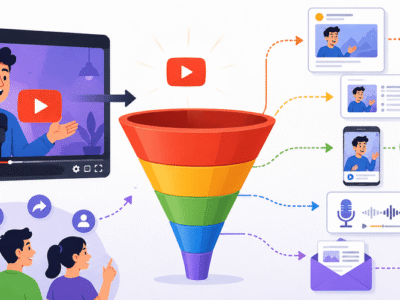
- YouTube Shorts: YouTube’s short-form format (up to 60 seconds). It lives in the Shorts feed but also benefits from YouTube’s powerful search and recommendation system. Shorts can funnel viewers to your long-form videos.
Key Similarity: All three thrive on vertical (9:16) videos that hook viewers in the first 3 seconds.
Important Fundamentals Beginners Must Understand
- The Algorithm Basics:
- TikTok: Pure interest-based. New accounts can go viral fast if the video holds attention.
- Instagram Reels: Hybrid stronger weight on your followers and relationships.
- YouTube Shorts: Two-phase (initial test + broader push) plus heavy SEO/search influence.
- Content Half-Life:
- TikTok: Very short trends die quickly.
- Reels: Medium.
- YouTube: Longest evergreen content keeps getting views months or years later.
- Audience Demographics (2026):
- TikTok: Younger, highly engaged (Gen Z dominant but broadening).
- Instagram: Broader age range, strong for lifestyle, fashion, and visual brands.
- YouTube: Widest audience, including older users; excellent for educational/how-to content.
- Monetization Potential:
- YouTube often pays the most via ads, channel memberships, Super Thanks, and long-form revenue.
- TikTok: Creator Rewards, LIVE gifts, TikTok Shop.
- Instagram: Gifts on Reels, subscriptions, brand deals (strong for established creators).
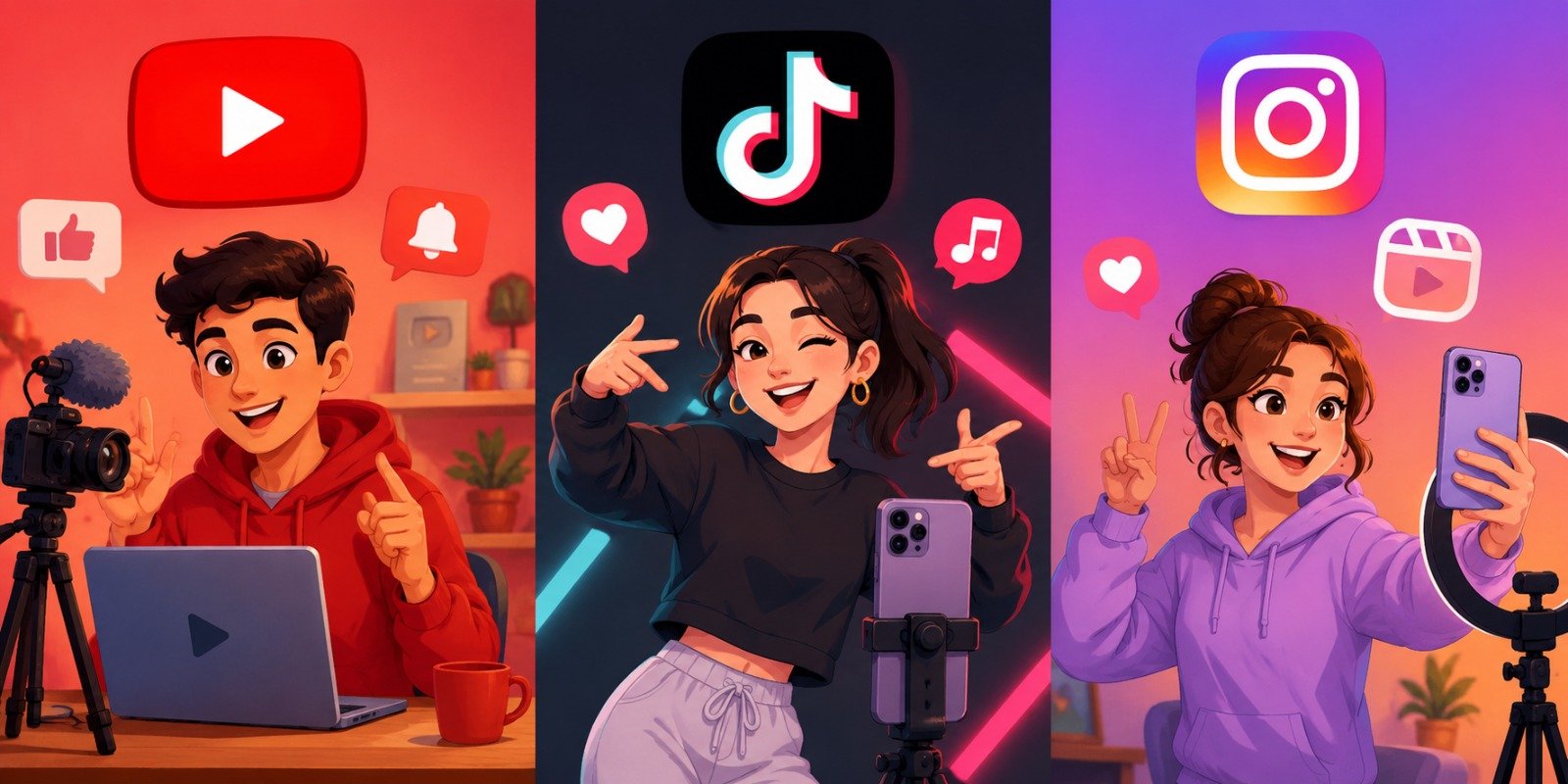
Step-by-Step Guide to Get Started on Each Platform
Getting Started on TikTok
- Download the app and create a business/creator account.
- Optimize your profile: Clear bio with keywords, link in bio, profile pic.
- Post your first 9-15 videos in one niche to “train” the algorithm.
- Use trending sounds, effects, and text overlays.
- Analyze the FYP in your niche daily.
Getting Started on Instagram Reels
- Switch to a professional (creator/business) account.
- Post consistently to your feed + Reels.
- Use Reels tab + music trends.
- Add captions, stickers, and CTAs.
- Engage with comments from your audience.
Getting Started on YouTube Shorts
- Create a YouTube channel and verify it.
- Upload vertical videos via the app or studio.
- Optimize title, description, and thumbnail (even for Shorts).
- Add end screens/cards linking to long-form videos.
- Use YouTube Analytics to see what works.
Pro Tip: Start with one platform for 30-60 days before expanding.
YouTube vs TikTok vs Instagram Reels: Head-to-Head Comparison (2026)
| Aspect | TikTok | Instagram Reels | YouTube Shorts |
|---|---|---|---|
| Best For | Fast discovery & virality | Brand building & conversions | Long-term traffic & search |
| Organic Reach | Highest for new accounts | Good with existing audience | Strong + search-driven |
| Engagement Rate | Very high | Medium-high | Highest (around 5.9%) |
| Algorithm | Interest graph (democratic) | Relationship + interest | Watch history + SEO |
| Monetization | Gifts, Shop, Rewards | Gifts, Deals, Subscriptions | Ads, Memberships (strongest) |
| Content Longevity | Short | Medium | Longest |
| Ideal Audience | Younger, trend-loving | Visual/lifestyle | Educational, all ages |
Where to Grow First in 2026?
- Start with TikTok if you want fastest follower growth from zero and your content is fun/trendy.
- Start with Instagram Reels if you have an existing audience or focus on aesthetics/shopping.
- Start with YouTube (Shorts + long-form) for sustainable, searchable growth and better long-term income.
Recommended Beginner Strategy: Pick one primary for discovery + use YouTube as your “home base” for evergreen content.
Best Practices and Strategies
- Hook in 3 Seconds: Start with a question, bold statement, or visual surprise.
- Content Pillars: Create 3-5 repeatable themes (e.g., Tips, Behind-the-Scenes, Tutorials).
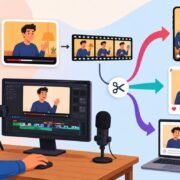
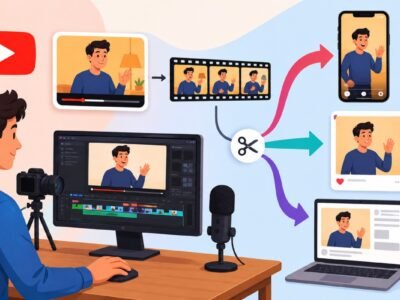
- Cross-Posting Smartly: Repurpose one video across platforms with platform-specific tweaks (different hooks, captions, lengths).
- Posting Frequency: 3-5 times per week minimum. Consistency beats perfection.
- Engagement Loop: Reply to every comment in the first hour.
- Trends + Originality: Jump on trends but add your unique spin.
Actionable Framework: The 80/20 Content Rule
- 80% value/entertainment
- 20% promotional
Common Mistakes Beginners Make
- Posting the same exact video everywhere without tweaks.
- Chasing trends without niche focus.
- Ignoring analytics.
- Poor lighting/sound quality.
- Inconsistent posting.
- No clear CTA (Call to Action).
Fix: Film in batches, plan a content calendar, and review analytics weekly.
Practical Examples and Real Use Cases
- Fitness Coach: TikTok for quick workout hooks → Instagram for transformation Reels → YouTube for full routines + Shorts.
- Recipe Creator: TikTok for trendy recipes → Reels for aesthetic plating → YouTube for full tutorials.
- Tech Reviewer: YouTube for in-depth → Shorts for quick tips → TikTok for viral gadget hacks.
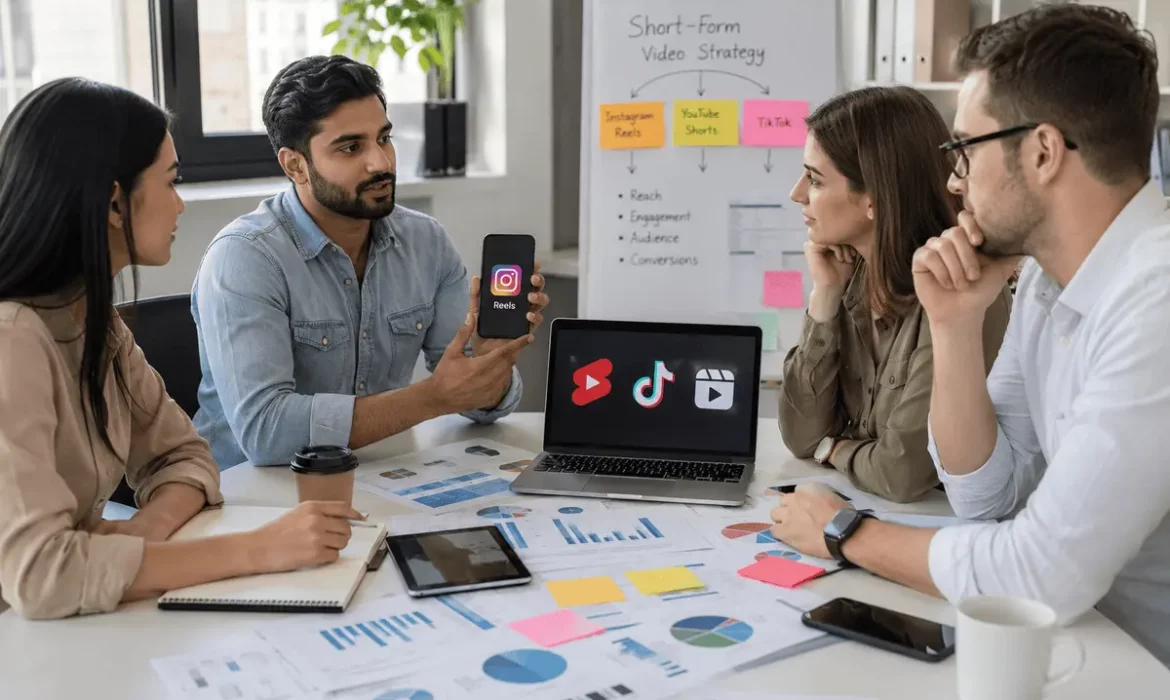
Tips to Improve Results
- Test 10 videos on your primary platform before scaling.
- Use on-screen text and captions (most watch without sound).
- Study your top-performing videos and make more like them.
- Collaborate with similar-sized creators.
- Track watch time percentage not just views.
Top Tools and Resources for 2026
Here are beginner-friendly tools:
- CapCut (Free/Pro): Best all-in-one editor for Shorts, Reels, and TikTok. Auto-captions, templates, effects, and AI tools. Use it for quick edits and trending effects.
- Canva: Create thumbnails, covers, graphics, and even simple videos. Perfect for beginners needing pro-looking visuals.
- TubeBuddy or VidIQ: YouTube-specific. Keyword research, title suggestions, competitor analysis, and analytics. Essential for Shorts + long-form.
- Metricool: Schedule posts across platforms, analyze performance, and manage multiple accounts. Great for consistency.
- Notion or Google Sheets: Free content calendar and idea bank. Plan your pillars and batch content.
Bonus: Epidemic Sound or Artlist for royalty-free music; Linktree/Stan Store for link-in-bio.
Key Takeaways & Your 30-Day Action Plan
- Week 1: Choose one primary platform. Set up optimized profile. Post daily.
- Week 2-3: Analyze what works. Refine hooks and style.
- Week 4: Cross-post strategically and engage heavily.
Summary: There’s no single “best” platform TikTok for speed, Instagram for community, YouTube for sustainability. Start where your audience hangs out and where your content style fits best. Focus on value, consistency, and learning from data.
You now have everything you need to start growing in 2026. Pick your platform, create your first video today, and take action. Your audience is waiting!
Frequently Asked Questions
Q1: Which platform is best for beginners in 2026?
A: TikTok is usually the easiest for fast growth from zero followers. However, YouTube is better if you want long-term, sustainable growth and better monetization. Start with whichever matches your content style.
Q2: Should I post on all three platforms?
A: Not at the beginning. Focus on one primary platform for the first 30–60 days. Once you’re consistent, repurpose content to the other two with platform-specific tweaks.
Q3: How often should I post?
A: 3–5 times per week is ideal for beginners. Consistency matters more than quantity. Quality + regular posting beats sporadic perfect videos.
Q4: Can the same video work on all platforms?
A: Rarely. Always adjust the hook, caption, length, and trending audio for each platform. Cross-posting without changes usually underperforms.
Q5: How do I monetize as a beginner?
A: Focus on growing to 1,000–10,000 followers first. Then explore brand deals, affiliate marketing, digital products, and platform-specific programs (YouTube Partner Program, TikTok Creator Rewards, Instagram Gifts).
Q6: What type of content performs best in 2026?
A: Short, value-packed videos that hook in the first 3 seconds. Educational tips, transformations, behind-the-scenes, and trend-jacking with your unique twist work extremely well.
Q7: Do I need expensive equipment?
A: No. A good smartphone, natural light, and free tools like CapCut are enough to start. Focus on content and consistency first.