In 2026, YouTube SEO Checklist is your ultimate guide to getting discovered. YouTube remains one of the biggest search engines in the world. Millions of people discover new videos, learn skills, get entertained, and find solutions every single day. But with billions of videos competing for attention, simply uploading great content isn’t enough. You need a smart YouTube SEO Checklist optimizing your videos, titles, descriptions, thumbnails, and more so the algorithm and real viewers can easily find them.
What is YouTube SEO and How Does It Work?
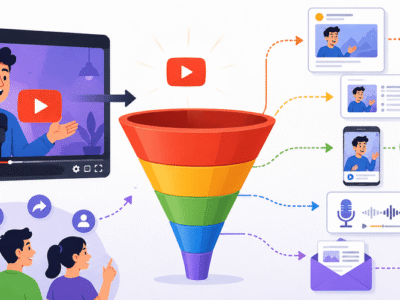
YouTube SEO is the process of optimizing your videos, titles, descriptions, tags, thumbnails, and other elements so they appear in YouTube search results, suggested videos, and even Google search.
The YouTube algorithm in 2026 prioritizes:
- Watch time and audience retention (how much of your video people actually watch).
- Click-through rate (CTR) from impressions (how appealing your title + thumbnail looks).
- Relevance (how well your metadata matches what people search for).
- Early engagement signals like likes, comments, and shares in the first 48 hours.
Think of it like this: Good SEO helps the right people discover your video, while great content keeps them watching and coming back.
Important Fundamentals Beginners Must Understand
Before diving into the checklist, master these basics:
- Search Intent: Understand why people search for a topic (e.g., “how to bake bread” = tutorial intent).
- Keywords: Primary (main target phrase), secondary (related terms), and long-tail (specific phrases with lower competition).
- Consistency: SEO works best with regular uploads and a cohesive channel.
- Analytics Matter: YouTube Studio data will guide improvements.
Key Takeaway: SEO is not about “tricking” the algorithm it’s about making your video the best match for what viewers want.
15-Step YouTube SEO Checklist Before You Hit Publish
Use this checklist for every video. Print it, save it, or turn it into a Notion template.
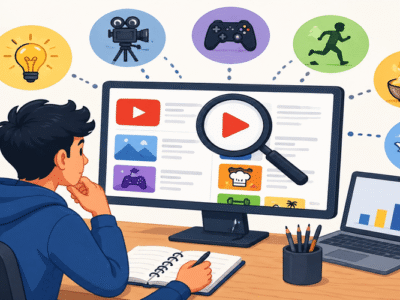
Step 1: Do Thorough Keyword Research
Start here never skip it.
- Use YouTube search suggestions (type a seed keyword and note autofill).
- Tools: Google Trends, YouTube search bar, vidIQ or TubeBuddy for search volume and competition.
- Aim for keywords with decent volume but lower competition, especially long-tail ones for beginners.
Example: Instead of “weight loss” (very competitive), target “beginner weight loss workout at home no equipment 2026”.
Action: List 1 primary + 5-8 secondary keywords.
Step 2: Analyze Search Intent and Competitors
Watch the top 3-5 ranking videos for your keyword.
- What format do they use? (Tutorial, listicle, review?)
- How long are they? What structure?
- What questions do they answer?
Tip: Create something better deeper, more up-to-date, or more engaging.
Step 3: Plan and Script with Keywords in Mind
Outline your video with sections that naturally include keywords.
- Speak your primary keyword in the first 30 seconds.
- Add timestamps/chapters for better retention and SEO.
Step 4: Craft a Click-Worthy, SEO-Optimized Title
- Include primary keyword near the front (ideally first 40-60 characters).
- Keep under 60-70 characters to avoid truncation.
- Use power words: Ultimate, Beginner’s Guide, 2026, How To, etc.
- Make it compelling for humans first.
Bad: “My Workout Video” Good: “15-Minute Beginner Home Workout for Weight Loss in 2026 (No Equipment)”
Step 5: Write a Detailed, Keyword-Rich Description
- First 100-150 characters should include the primary keyword and hook.
- Aim for 200-500+ words.
- Include timestamps, links, calls-to-action, and secondary keywords naturally.
- Add relevant links (your website, other videos, socials).
Pro Tip: Treat the description like a blog post for search engines.
Step 6: Add Smart Tags
- Primary keyword as first tag.
- Mix broad, specific, and long-tail tags (10-15 total).
- Include variations and misspellings if relevant (sparingly).
Avoid keyword stuffing.
Step 7: Design a High-CTR Custom Thumbnail
- High contrast, big text, your face (if applicable) showing emotion.
- Use bold fonts and relevant imagery.
- Test what works for your niche (e.g., bright colors for gaming).
Actionable Tip: Canva or Photoshop keep text large and readable on mobile.
Step 8: Upload High-Quality Video File
- Use descriptive filename: beginner-home-workout-2026-no-equipment.mp4.
- Recommended specs: 1080p or 4K, good lighting, clear audio.
Step 9: Add End Screens and Cards
- Direct viewers to subscribe, watch another video, or visit links.
- This boosts session time and other metrics.
Step 10: Create Engaging Chapters and Captions
- Chapters improve navigation and watch time.
- Upload accurate captions/subtitles (YouTube auto-generates, but edit them). They help with accessibility and SEO.
Step 11: Choose the Right Category, Playlist, and Visibility
- Add to a relevant playlist (playlists get their own SEO boost).
- Set to Public (or Scheduled for better initial push).
Step 12: Optimize for Mobile and Accessibility
- Most views are on mobile ensure thumbnail and title look good small.
- Captions and clear audio help broader audiences.
Step 13: Prepare Promotion Plan
- Share on social media, community posts, email list.
- Encourage likes/comments in the video.
Step 14: Double-Check Everything in YouTube Studio Preview
- Watch the full upload preview.
- Ensure metadata is complete and error-free.
Step 15: Hit Publish and Monitor Early Performance
- Post at your best time (check YouTube Analytics > Audience).
- Engage with first comments to boost signals.
Full Checklist Summary (Copy-Paste Ready):
- Keyword research ✓
- Competitor analysis ✓
- Script planning ✓
- Optimized title ✓
- Detailed description ✓
- Smart tags ✓
- Eye-catching thumbnail ✓
- Quality file name/upload ✓
- End screens/cards ✓
- Chapters + captions ✓
- Playlists/category ✓
- Mobile/accessibility ✓
- Promotion ready ✓
- Studio preview ✓
- Publish + monitor ✓

Best Practices and Strategies for 2026
- Focus on Retention: Hook in first 5-15 seconds. Use patterns, stories, and visuals to keep viewers watching.
- Content Clusters: Create series around related topics to build topical authority.
- Evergreen + Trending Mix: Balance timeless content with current trends.
- Post Consistently: Algorithm loves active channels.
- A/B Test Thumbnails/Titles (if available in Studio).
Common Mistakes Beginners Make (and How to Avoid Them)
- Targeting overly competitive keywords → Start with long-tail.
- Weak or generic thumbnails/titles → Prioritize CTR.
- Short or keyword-stuffed descriptions → Write helpful, natural copy.
- Ignoring analytics → Review every video’s data after 7-30 days.
- Poor first 30 seconds → Test hooks relentlessly.
Practical Examples and Real Use Cases
Example Niche: Cooking Channel
- Keyword: “easy vegan dinner recipes for beginners”
- Title: “5 Easy Vegan Dinners for Beginners (Ready in 20 Minutes) – 2026”
- Thumbnail: Bright plate of food + “Under 20 Min!” text.
- Description: Starts with recipe overview, includes timestamps for each dish, ingredients list, and affiliate links.
Result: Higher search rankings + longer watch time from people following along.
Tips to Improve Results with YouTube SEO
- Update old videos with new thumbnails/titles/descriptions.
- Reply to every comment in the first week.
- Analyze what works in your niche via YouTube search.
- Collaborate with similar creators for cross-promotion.
- Track progress monthly in YouTube Analytics.
Top Tools and Resources for YouTube SEO in 2026
Here are beginner-friendly tools:
- YouTube Studio (Free): Built-in analytics, keyword insights, upload tools. Use it daily for performance data.
- vidIQ (Free + Paid): Keyword research, competitor tracking, scorecards for optimization. Great for seeing what’s trending.
- TubeBuddy (Free + Paid): Browser extension for tags, bulk editing, A/B testing. Excellent for workflow efficiency.
- Canva (Free): Professional thumbnails quickly no design skills needed.
- Google Trends / Keyword Planner (Free): Validate search demand across platforms.
How to Use Them as a Beginner:
- Start with free versions.
- Install vidIQ or TubeBuddy Chrome extension.
- Use YouTube Studio for all core metrics.
Key Takeaways
You now have a complete, actionable YouTube SEO Checklist that works in 2026. The secret isn’t perfection on day one it’s consistency and learning from your analytics.
Implement these 15 steps before every upload, focus on delivering real value to viewers, and watch your channel grow. SEO compounds over time.
Ready to start? Pick your next video idea, run it through this checklist, and publish with confidence.
Frequently Asked Questions
Q1: What is the most important part of YouTube SEO?
The most important factors in 2026 are watch time, audience retention, and click-through rate (CTR) from your title and thumbnail. Great content + strong metadata = best results.
Q2: How long should my YouTube video description be?
Aim for 300–500+ words. The first 100–150 characters are crucial because they show in search results. Include your main keyword naturally and add timestamps.
Q3: Do I need paid tools like vidIQ or TubeBuddy?
No. Start with the free versions of vidIQ or TubeBuddy and YouTube Studio. They already give beginners powerful keyword research and optimization suggestions.
Q4: How often should I upload videos for good SEO?
Consistency matters more than frequency. Start with 1 video per week and maintain a regular schedule. The algorithm favors active channels.
Q5: Can I optimize old videos for better performance?
Yes! Update titles, descriptions, tags, and especially thumbnails on older videos. This is one of the fastest ways to get more views from existing content.
Q6: How do I find good keywords for my niche?
Use YouTube’s search bar suggestions, Google Trends, and the free version of vidIQ. Focus on long-tail keywords (3–6 words) that have decent search volume but lower competition.
Q7: Does thumbnail design really affect YouTube SEO?
Absolutely. Thumbnails heavily influence CTR, which is a major ranking signal. A high-CTR thumbnail can dramatically increase your video’s performance.
Q8: When should I publish my video for maximum reach?
Check your YouTube Analytics > Audience tab to see when your viewers are most active. Generally, weekdays between 2 PM – 4 PM work well for many niches.