
Build YouTube Audience is one of the most effective ways to grow a personal brand, business, or creative passion in 2026. Whether your goal is to gain loyal subscribers, increase engagement, or earn long-term revenue, learning how to build YouTube audience starts with understanding that success comes from creating consistent value that keeps viewers coming back and sharing your content.
What Building a YouTube Audience Means and How It Works
Building an audience on YouTube means attracting, engaging, and retaining viewers who watch, like, comment, subscribe, and return for more videos. It is not just about getting views it is about turning casual watchers into loyal subscribers.
YouTube’s algorithm in 2026 prioritizes viewer satisfaction. Key signals include:
- Click-Through Rate (CTR): How many people click your thumbnail and title.
- Watch time and retention: How long viewers stay watching.
- Audience satisfaction: Do they finish the video, like it, comment, or watch more of your content?
When these metrics are strong, YouTube recommends your videos in search, Suggested videos, Shorts feed, and Home page. This creates a positive cycle: better recommendations lead to more views, which improves metrics further and drives YouTube audience growth.
Important Fundamentals Beginners Must Understand
Before uploading your first video, master these basics:
- Choose a Specific Niche: Broad topics make it hard to stand out. Pick a focused area where you can solve specific problems. Example: Instead of “fitness,” target “home workouts for busy parents over 40.”
- Know Your Audience: Create a simple viewer persona. What are their age, challenges, goals, and search habits? Speak directly to them in your videos.
- Consistency Over Perfection: Upload on a realistic schedule (e.g., one long-form video per week plus Shorts). The algorithm favors active channels.
- Value-First Mindset: Every video should deliver clear benefits entertainment, education, inspiration, or solutions.
Step-by-Step Guide to Get Started with Building YouTube Audience
Step 1: Set Up Your Channel for Success Create a professional channel with a clear name, logo (profile picture), and banner. Write a channel description that includes keywords and what viewers can expect. Add links to your website or social profiles.
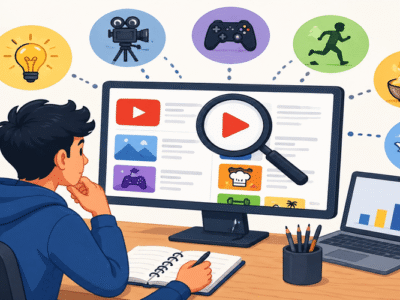
Step 2: Research Topics and Keywords Use YouTube search to find what people are looking for. Type a broad term and note autocomplete suggestions and related searches. Tools (listed later) make this easier.
Step 3: Plan and Create Content
- Hook in the first 5–15 seconds (e.g., “If you’re struggling to lose weight after 40, this simple trick changed everything for me.”).
- Deliver value quickly and structure videos with clear sections.
- End with a strong call-to-action (CTA): “Subscribe for more tips and hit the bell.”
Step 4: Optimize Every Video
- Compelling title (curiosity + benefit + keyword).
- Eye-catching thumbnail (high contrast, clear text, your face if it fits your style).
- Detailed description with timestamps, links, and keywords.
- Tags and end screens/cards.
Step 5: Publish and Promote Upload consistently. Share on social media, forums, or email lists. Engage with every comment in the first 24–48 hours.
Step 6: Analyze and Improve Check YouTube Analytics weekly. Double down on what works.
Best Practices and Strategies for YouTube Audience Growth
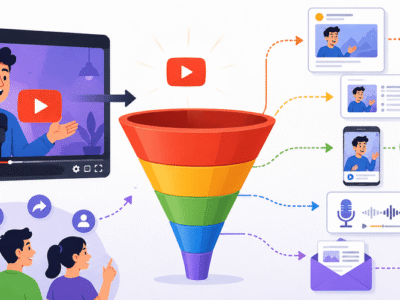
- Mix Shorts and Long-Form: Use Shorts for quick discovery and to funnel viewers to your longer videos. Shorts build initial reach while long-form builds deeper loyalty.
- Focus on Retention: Use pattern interrupts (cuts, B-roll, questions) every 30–60 seconds. Promise and deliver clear value.
- Create Playlists: Group related videos so viewers binge-watch, boosting session time.
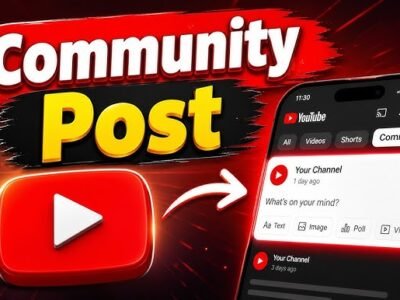
- Community Engagement: Reply to comments, post Community tab updates, and ask questions in videos to encourage interaction.
- Evergreen + Trending Content: Balance timeless videos (search traffic) with timely ones (quick growth).
- Thumbnails and Titles Testing: In 2026, strong packaging is crucial. Test variations and use high-CTR designs.
Subscribers Tips: Always include a verbal and on-screen CTA. Offer a simple lead magnet (free checklist or guide) in exchange for subscribing and joining your email list.
Common Mistakes Beginners Make (and How to Avoid Them)
- Posting inconsistently → Set a realistic schedule and batch content.
- Poor thumbnails and titles → Spend as much time on these as filming.
- Ignoring audience feedback → Read comments and analytics regularly.
- Making content only for yourself → Always ask: “Does this help or entertain my viewer?”
- Over-focusing on gear → Good lighting, clear audio, and value matter more.
- Not optimizing for search → Many great videos stay hidden.
- Chasing viral trends without strategy → Use trends as hooks but tie them to your niche.
Practical Examples and Real Use Cases
A cooking channel targeting beginners might create:
- Long video: “5 Easy Weeknight Dinners for Busy Families (Under 30 Minutes).”
- Short: “Quick tip: How to chop onions without crying.”
- Series/Playlist: “Cooking for Beginners – Week 1 Basics.”
A business coach could post problem-solving videos like “How I Got My First 10 Clients Without Ads” and use Shorts for daily tips that link back to the full case study.
These approaches deliver value, encourage binge-watching, and naturally grow subscribers.
Tips to Improve Results with YouTube Audience Growth
- Improve hooks and retention weekly based on analytics.
- Collaborate with similar-sized creators in your niche.
- Repurpose content: Turn long videos into Shorts or blog posts.
- Track progress monthly: Aim for steady increases in watch time and subscribers.
- Build an email list early YouTube subscribers are great, but you own your email list.
- Stay authentic: Viewers in 2026 connect with real personalities over polished but fake content.
Top Tools and Resources for 2026
Here are practical tools beginners can start using today:
- TubeBuddy: Browser extension for keyword research, tag suggestions, thumbnail A/B testing, and bulk updates. Use it to optimize videos and find ranking opportunities.
- vidIQ: Excellent for competitor analysis, daily keyword ideas, and channel audits. Great for discovering what topics are working in your niche.
- Canva or CapCut: Free or low-cost tools for creating professional thumbnails, intros, and editing videos. CapCut is especially popular for quick Shorts editing.
- YouTube Analytics (built-in): Your most important resource. Study audience retention graphs, traffic sources, and demographics.
- Google Trends or YouTube Search Suggest: Free ways to validate topics and find rising searches.
Many creators also use AI tools for scripting ideas, title suggestions, or clip generation, but always add your personal touch for authenticity.
Key Takeaways and Final Checklist
Building YouTube audience takes time, but following these steps delivers sustainable YouTube audience growth. Focus on value, consistency, and optimization.
Quick Start Checklist:
- Define your niche and audience persona.
- Create your first 5–10 videos with strong hooks and CTAs.
- Optimize titles, thumbnails, and descriptions.
- Upload on schedule and engage with comments.
- Review analytics after 10 videos and adjust.
- Mix Shorts with long-form content.
Start today with one video. Improve with every upload. Your audience is waiting for the unique value only you can provide. Stay consistent, learn from the data, and watch your channel grow in 2026 and beyond.
FAQs
Q1: How long does it take to build a YouTube audience?
It usually takes 3–6 months of consistent uploading to see noticeable growth. Focus on quality and consistency rather than speed.
Q2: Do I need expensive equipment to start?
No. A smartphone, good lighting, and clear audio are enough to begin. Improve your setup as your audience grows.
Q3: What is more important for YouTube audience growth: Shorts or long videos?
Both. Use Shorts for quick discovery and long-form videos to build loyal subscribers.
Q4: How many videos should I upload per week?
Beginners should aim for 1 long-form video per week plus 3–5 Shorts. Consistency matters more than quantity.
Q5: How can I get more subscribers?
Add clear calls-to-action in every video, create valuable content, and engage with every comment.
Q6: Is it too late to grow on YouTube in 2026?
No. YouTube still rewards fresh, high-quality channels that solve problems and entertain viewers.