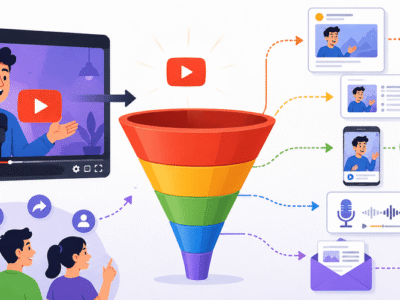

YouTube competitor keywords research is one of the smartest ways to grow your channel faster. Instead of guessing what to create, you discover exactly what your competitors are ranking for, what audiences are searching, and where the opportunities lie. This process, often called YouTube SEO research or competitor analysis, helps you create better content, optimize videos effectively, and rank higher in YouTube search.
What Are YouTube Competitor Keywords and How Do They Work?
YouTube competitor keywords are the search terms that other channels in your niche use in their video titles, descriptions, tags, and that help their videos rank well. By “spying” on them, you uncover high-performing topics, long-tail phrases, and content gaps.
How it works:
- YouTube’s algorithm matches videos to user searches based on titles, descriptions, tags, thumbnails, watch time, and engagement.
- Top-ranking videos for a keyword reveal what the platform considers relevant and valuable.
- By analyzing these, you can target similar or better-optimized terms, create improved content, and compete more effectively.
For example, if you run a cooking channel and notice competitors ranking for “easy chicken curry for beginners 30 minutes,” you can create a video with clearer steps, better visuals, and stronger optimization to outrank them.
Important Fundamentals Beginners Must Understand
Before diving in, grasp these core concepts:
- Search Volume vs. Competition: High-volume keywords are popular but hard for new channels. Focus on medium-to-low competition long-tail keywords (3+ words) for quicker wins.
- Keyword Types:
- Informational (how-to, tutorial)
- Navigational (specific channel or video)
- Transactional (best tool, review)
- Relevance and Intent: Match what viewers actually want. A video must satisfy the search intent to maintain high watch time.
- Evergreen vs. Trending: Evergreen keywords provide ongoing traffic. Trending ones give short-term boosts.
- YouTube Search Suggest and Related Videos: These show real user behavior and related opportunities.
Mastering these basics turns competitor analysis into a repeatable system for consistent growth.
Step-by-Step Guide to Get Started with YouTube Competitor Keywords
Follow this practical process:
Step 1: Identify Your Competitors
- Search your main niche keywords on YouTube (e.g., “fitness for beginners”).
- Note 5–10 channels that appear frequently in top results, especially those similar in size or growing.
- Include both big established channels and rising ones for balanced insights.
Step 2: Analyze Their Top Videos
- Sort a competitor’s channel by “Most Popular.”
- Study titles, thumbnails, view counts, and upload dates of their best videos.
- Look for patterns: What topics get the most views? What phrasing works?
Step 3: Extract Keywords
- Use browser extensions or tools to reveal tags.
- Check video titles and descriptions for primary and secondary keywords.
- Note search volume and competition scores where available.
Step 4: Find Gaps and Opportunities
- Identify topics competitors cover but optimize poorly.
- Look for underserved sub-niches or better angles (e.g., updated 2026 version, specific audience).
Step 5: Validate and Prioritize
- Check search volume, competition, and trend data.
- Create content that improves on existing videos in quality, length, or uniqueness.

Best Tools for YouTube Competitor Keywords Research
Here are top tools in 2026 and how to use them effectively as a beginner:
vidIQ: Excellent for keyword research, competitor tracking, and real-time analytics. The browser extension shows keyword scores, search volume, competition, and competitor tags directly on YouTube. Use it to audit channels and track top videos. Free plan available; paid starts low.
TubeBuddy: Great browser extension for tag suggestions, SEO scores, and competitor gap analysis. It helps examine what keywords competitors rank for and find optimization opportunities. Ideal for bulk operations and A/B testing.
Ahrefs YouTube Keyword Tool: Provides accurate search volume and difficulty metrics. Use the free version for basic research or paid for deeper competitor insights and content explorer features.
OutlierKit or 1of10: Specialized for spotting outlier (high-performing) videos and multiplier opportunities. Perfect when you want data-driven topic ideas beyond basic keywords.
Free Options:
- YouTube Search Suggest (type keyword + letters for variations).
- Tags for YouTube Chrome extension (reveals hidden tags).
- Google Trends for seasonality.
- SocialBlade for channel growth benchmarking.
Start with free methods and one extension like vidIQ or TubeBuddy. Upgrade as your channel grows.
Best Practices and Strategies for YouTube SEO Research
- Focus on Long-Tail Keywords: Easier to rank and more targeted.
- Create Content Clusters: Group related videos around a main topic for better channel authority.
- Optimize Fully: Use primary keyword in title (naturally), first 100-150 characters of description, tags, and spoken in video.
- Improve on Competition: Better thumbnail, hook in first 15 seconds, higher production value.
- Track and Iterate: Monitor performance in YouTube Analytics and refine your approach.
Actionable Framework:
- Seed keyword → Competitor top videos.
- Extract keywords and patterns.
- Score opportunities (volume, competition, gap).
- Create superior content.
- Publish, promote, analyze.
Common Mistakes Beginners Make
- Copying titles exactly (YouTube penalizes duplication).
- Targeting only high-competition broad keywords.
- Ignoring watch time and audience retention.
- Skipping description and tags optimization.
- Not updating old content.
- Relying on one tool without cross-verifying.
- Publishing without testing thumbnails or titles.
Avoid these by starting small, testing, and focusing on viewer value.
Practical Examples and Real Use Cases
Example 1: Fitness Niche Competitor ranks for “beginner home workout.” You discover “beginner home workout no equipment 2026” has lower competition. Create a 15-minute video with progress tracking, better cues, and end screen for playlist. Result: Faster ranking and higher engagement.
Example 2: Tech Review Channel Analyze top smartphone review videos. Notice many miss battery drain tests. Target “best budget phone 2026 battery life test” with original data. Use competitor tags as inspiration but expand your list.
Use Case: A new cooking channel used competitor analysis to find 10 underserved recipe variations, published consistently, and reached 10k subscribers in months by ranking in suggested and search results.
Tips to Improve Results with YouTube Competitor Keywords
- Combine tools: vidIQ for data + manual YouTube search for intent.
- Monitor comments on competitor videos for new keyword ideas and pain points.
- Update old videos with fresh keywords.
- Analyze upload frequency and timing of competitors.
- Use A/B testing for titles and thumbnails.
- Build a keyword database in a simple spreadsheet (keyword, volume, competition, status, video link).
- Focus on 70% evergreen, 20% trending, 10% brand/competitor terms.
Key Takeaways
YouTube competitor keywords research levels the playing field for beginners. By understanding what works for others, you can create targeted, high-quality content that ranks faster and attracts loyal viewers.
Start today:
- Pick your niche and find 3 competitors.
- Install vidIQ or TubeBuddy.
- Analyze 5 top videos.
- Brainstorm 3 new video ideas based on gaps.
Consistent application of these YouTube SEO research and competitor analysis techniques will accelerate your growth in 2026 and beyond. The key is action plus continuous learning from real data.
FAQs
Q1: What are YouTube competitor keywords?
YouTube competitor keywords are the search terms that top-ranking videos in your niche use to get views and traffic. Spying on them helps you find proven topics and optimization ideas.
Q2: Is it legal to spy on competitor keywords on YouTube?
Yes, it is completely legal. It involves public data like video titles, descriptions, tags, and rankings that anyone can view.
Q3: Which is the best free tool for YouTube competitor analysis?
vidIQ and TubeBuddy free versions are the most popular. They show keyword scores, tags, and competition data directly on YouTube.
Q4: How often should I do competitor keyword research?
Do it every 2–4 weeks or before planning a new batch of videos. Regular research keeps your content strategy fresh.
Q5: Can beginners rank using competitor keywords?
Yes. Focus on long-tail keywords with lower competition and create better content than existing videos.
Q6: What is the difference between YouTube SEO and competitor analysis?
YouTube SEO is optimizing your own videos. Competitor analysis is studying other channels to find opportunities and winning strategies.