
YouTube Shorts SEO is your secret weapon for getting more views, subscribers, and growth on YouTube in 2026. If you’re a beginner who wants your 15- to 60-second videos to show up in the Shorts feed, YouTube Search, and even Google results, this guide is for you.
Let’s dive in and make your Shorts unstoppable.
What Is YouTube Shorts SEO and How It Works
YouTube Shorts SEO means optimizing your short videos so YouTube’s algorithm recommends them to the right people at the right time.
Unlike long-form videos (where total watch time matters most), Shorts focus on instant engagement. The algorithm asks one big question: “Did the viewer watch or swipe away?”
Here’s how it works in 2026:
- First 3–5 seconds decide everything. If viewers stick around, the video gets shown to more people.
- Viewed vs. Swiped Away ratio is the #1 ranking signal. High completion rate (people watching the whole Short and even replaying it) tells YouTube your video is worth pushing.
- The algorithm starts with a small “seed audience” (people who might like your niche). If they love it, it scales to millions.
- Shorts now appear in YouTube Search and Google too, so good titles, descriptions, and keywords matter more than ever.
In simple terms: Create addictive first seconds + helpful content + smart optimization = explosive growth.
Important Fundamentals Beginners Must Understand
Before you upload a single Short, master these basics:
- Length matters: 15–45 seconds is ideal in 2026. Under 15 seconds feels too short; over 60 seconds loses attention.
- Vertical format only: 9:16 (1080×1920 pixels) for full-screen viewing.
- Silent viewing is king: Most people watch without sound. Add big, clear text captions.
- Loopability: End your Short so it feels natural to replay (e.g., a satisfying before/after or repeatable tip).
- Search + Feed visibility: Optimize for both the endless swipe feed and search results.
Key Takeaway: Shorts SEO is 80% about keeping viewers glued in the first few seconds and 20% about smart titles, tags, and descriptions.
How to Find the Best Shorts Keywords
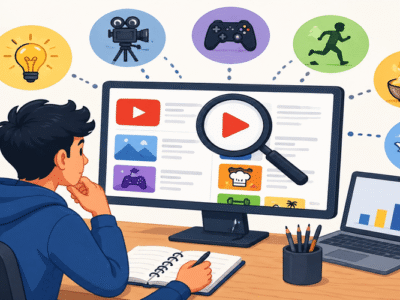
Shorts keywords are the exact phrases people type into YouTube Search. Finding low-competition, high-search ones is the foundation of YouTube Shorts SEO.
Step-by-Step Keyword Research (Takes 10 Minutes)
- Go to YouTube and start typing your topic (e.g., “quick abs workout”).
- Note the autocomplete suggestions these are real searches.
- Use free tools (more on these later) to check search volume and competition.
- Choose keywords that are:
- Specific (long-tail = easier to rank)
- Relevant to your niche
- Have decent search volume but low competition
Real Example: Instead of “workout” (too broad), target “5 minute abs workout at home no equipment”.
Pro Tip: Front-load your main keyword in the title. You only have ~40 characters before it gets cut off in search results.
How to Rank Shorts on YouTube (Proven 2026 Strategy)
Want to rank Shorts on YouTube and beat thousands of other creators? Follow this exact framework:
Step-by-Step Guide to Get Started with YouTube Shorts SEO
- Validate Your Idea Search your keyword on YouTube. Look at the top Shorts. Ask: “Can I make something better or different?”
- Hook in the First 2 Seconds Start with a question, bold statement, or surprising visual. Bad: Slow intro music. Good: “Stop doing push-ups like this!” (text + demo).
- Create the Short
- Film vertically.
- Add big captions (2 lines max per frame).
- Use trending audio when it fits naturally.
- End with a clear call-to-action (CTA): “Double-tap if this helped! Follow for more.”
- Optimize Metadata Before Upload
- Title: Front-load keyword (e.g., “How to Fix Posture in 30 Seconds #shorts”). Keep under 40 characters for full display.
- Description: First 1–2 lines with your main keyword. Add timestamps or links if relevant.
- Tags: 10–15 tags. Include your main keyword, variations, and broad tags like “youtubeshorts”.
- Hashtags: 3–5 max in the description or title. Mix one broad (#shorts) + niche ones (#posturefix, #backpainrelief).
- Thumbnail (Yes, Shorts Need Them Too!) In 2026, custom thumbnails appear in Search and channel pages. Make it bright, emotional, and text-heavy.
- Upload & Promote Post at your audience’s peak time (check YouTube Analytics). Share in community posts or Stories.
Actionable Checklist – Upload Day
- Hook in first 2 seconds
- Keyword in first 40 characters of title
- Burned-in captions
- 3–5 relevant hashtags
- Loopable ending + CTA
- Custom thumbnail
- Posted consistently (3–5 Shorts per week)
Best Practices and Strategies
- Search-First Shorts: Answer real questions people type (how-to, tips, “what is…”). These rank in Search and drive evergreen views.
- Trending Audio + Your Twist: Use popular sounds but add your unique value.
- Repurpose Long-Form: Turn your best long videos into 3–5 Shorts with hooks pointing back to the full video.
- Series Strategy: Create connected Shorts (Part 1, Part 2) to boost watch time across videos.
- Silent + Text Heavy: 70%+ of views are muted text must tell the whole story.
Common Mistakes Beginners Make (And How to Avoid Them)
- Weak or missing hook → Viewers swipe instantly.
- Vague titles like “My Daily Routine” instead of “5 Habits That Changed My Life in 2026”.
- Too many hashtags (10+) → Looks spammy.
- No captions → Loses silent viewers.
- Inconsistent posting → Algorithm forgets your channel.
- Ignoring analytics → Never learn what works.
- Chasing virality instead of value → One-hit wonders instead of steady growth.
Fix: Always ask, “Would I watch this entire Short if I saw it in my feed?”
Practical Examples and Real Use Cases

Example 1: Fitness Niche
- Keyword: “quick morning stretch”
- Title: “Quick Morning Stretch Routine for Back Pain #shorts”
- Hook: “Stiff back every morning? Try this 30-second fix!”
- Result: High completion rate → pushed to thousands in the same niche.
Example 2: Cooking Niche
- Keyword: “easy 2 ingredient snack”
- Title: “2 Ingredient Snack Under 60 Calories #shorts”
- First frame text: “No oven needed!”
- CTA: “Save this recipe! Comment your favorite snack.”
These Shorts don’t just get views they build loyal subscribers who watch your long-form content too.
Tips to Improve Results with YouTube Shorts SEO
- Post 3–5 times per week minimum.
- Study your top-performing Shorts in YouTube Analytics → replicate the pattern.
- Test different hooks and thumbnails.
- Use end screens/cards to link to your long-form videos.
- Reply to every comment in the first hour → boosts engagement signals.
- Track “Viewed vs. Swiped Away” metric weekly.
Best Tools and Resources for YouTube Shorts SEO in 2026
Here are the top 5 beginner-friendly tools. Start with the free versions:
- vidIQ (Best overall for beginners) Free keyword research, search volume, competition scores, and AI optimization suggestions. Use it to find shorts keywords and analyze what’s working for competitors. Install the browser extension it works directly on YouTube.
- TubeBuddy (Best for optimization & A/B testing) Helps you bulk-edit titles/tags, A/B test thumbnails, and get SEO scores before uploading. Perfect for streamlining your workflow as you grow.
- YouTube Studio (Free built-in) Your analytics dashboard. Check “Viewed vs. Swiped Away”, audience retention, and traffic sources. Use the Trends tab to spot rising topics.
- Keyword Tool (keywordtool.io or Keyword Tool Dominator – Free tier) Generates hundreds of YouTube autocomplete keywords instantly. Great for discovering long-tail shorts keywords with low competition.
- CapCut (Free mobile editor) Built-in trending audio, auto-captions, and text animations. Export directly to YouTube. Many creators use it daily for professional-looking Shorts in minutes.
Bonus Free Resource: Google Trends — see what topics are rising in your niche right now.
Start with vidIQ and YouTube Studio today — they’re enough to get pro-level results.
Final Key Takeaways & Your Next Steps
- YouTube Shorts SEO in 2026 is all about instant retention + smart metadata.
- Master shorts keywords, strong hooks, and captions first.
- Rank Shorts on YouTube by focusing on completion rate and search optimization.
- Consistency beats perfection. Post regularly and improve with analytics.
Your 7-Day Action Plan:
- Day 1: Research 5 shorts keywords with vidIQ.
- Day 2–4: Create and optimize 3 Shorts using the checklist.
- Day 5: Upload and promote.
- Day 6: Check analytics.
- Day 7: Double down on what worked.
You now have everything you need no more searching other websites. This YouTube Shorts SEO Guide is your complete 2026 playbook.
Start creating today. Your first viral Short (and loyal subscribers) are waiting.
FAQs About YouTube Shorts SEO
Q1: What is YouTube Shorts SEO?
YouTube Shorts SEO is the process of optimizing your Shorts with the right keywords, titles, descriptions, and hooks so they rank higher in YouTube Search and get pushed more in the Shorts feed.
Q2: How long should a YouTube Short be in 2026?
The sweet spot is 15 to 45 seconds. Videos under 60 seconds perform best for maximum retention and ranking.
Q3: Do Shorts need keywords?
Yes! Using the right shorts keywords in your title and description helps your Short appear in YouTube search results and recommended feeds.
Q4: How can beginners rank Shorts on YouTube?
Focus on a strong hook in the first 2–3 seconds, add clear captions, use relevant shorts keywords, and maintain high watch completion rate. Post consistently (3–5 times a week).
Q5: Are hashtags important for YouTube Shorts?
Yes, but don’t overdo it. Use 3–5 relevant hashtags (including #shorts) in the description.
Q6: Which tool is best for YouTube Shorts SEO for beginners?
vidIQ is the most beginner-friendly. It helps find shorts keywords, check competition, and optimize titles easily.